


Next

How Fujifilm built a brand that markets itself through believers.
Brand Breakdown
The clients who become evangelists aren't the ones who agree with the consensus. They're the ones who've been waiting for someone to validate their different way of seeing.
Welcome to The Deep Clients. We break down the brands that grow by being impossible to ignore. We analyze the principles they use to resonate with Deep Clients—the people who don't just buy from them, but invest in the brand and spread the word to like-minded people.
And you can build yours.
The tribe that spreads itself.
There's a strange phenomenon happening on the streets of Tokyo, New York, and London.
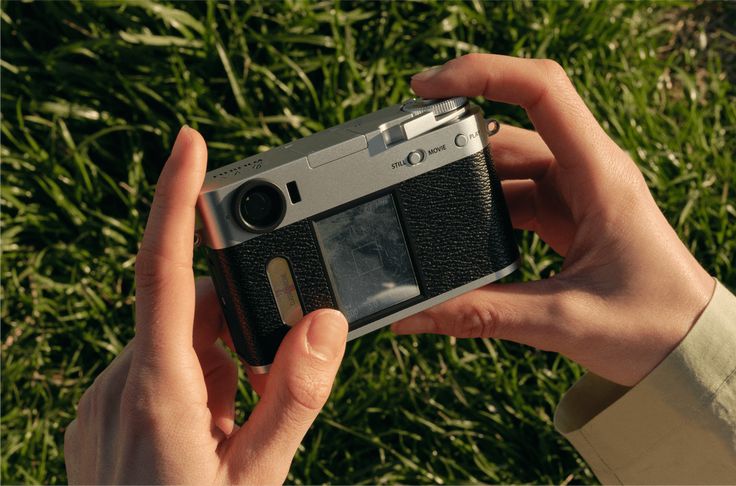
A photographer walks by carrying a camera. Not just any camera. A Fujifilm X100. Vintage aesthetic. Chrome dials. A design that looks like something your grandfather might have used.
Other photographers notice. Not the photos. The camera itself. The person holding it.
They notice someone who looks like a certain kind of photographer. Someone who chose craft over convenience. Someone who values the feeling of taking photos over the specs on a sheet.
And they think: I want to be that kind of photographer too.
This is how Fujifilm spreads. Not through ads. Not through influencer campaigns. Through visibility. Through identity. Through belonging.
The camera markets itself because holding it says something about who you are.
The belief that creates the tribe
Seth Godin wrote something that changed how I think about marketing.
"People like us do things like this."
Six words. They explain why some brands grow through believers while others burn money on ads that go nowhere.
Fujifilm photographers share a specific belief: the capture feeling matters more than specs.
They believe that when photography feels right—the click of the shutter, the turn of the dial, the film-like colors appearing on the screen—the photos turn out better. Not technically better. Soulfully better.
This belief puts them at odds with the spec-obsessed mainstream.
Sony cameras have better autofocus. More megapixels. Superior low-light performance. By every measurable metric, Sony wins.
But Fujifilm photographers don't care about those metrics. They care about something unmeasurable: does it feel like I'm making photographs, or operating a computer?
One photographer captured it perfectly: "I keep a Sony for the paid bills and a Fuji for the soul."
That's not a product comparison. That's a worldview statement.
Think about your own work for a moment.
What belief does your ideal client hold that puts them at odds with mainstream advice?
What do they value that others dismiss as impractical or soft?
The clients who become evangelists aren't the ones who agree with the consensus. They're the ones who've been waiting for someone to validate their different way of seeing.
Fujifilm found photographers who believed the feeling mattered. And gave them permission to be right.
What permission are you giving?
The question that spreads the story
Here's how Fujifilm grows without marketing budgets.
Someone posts a photo online. The colors are warm, nostalgic. It looks like film. It has soul.
The comments come: "What camera did you use?"
And the photographer answers: "Fujifilm X100. Straight out of camera. No editing."
That answer contains a story. Not just a product recommendation. A status statement wrapped in helpfulness.
The photographer is saying: I don't spend hours in Lightroom. I don't need to fix my photos in post. I get it right in the moment. My camera works with me, not against me.
This is the story people want to tell about themselves. And Fujifilm gave them permission to tell it.
The viral TikTok videos about the X100V weren't about megapixels or autofocus speed. They said things like:
"This camera will change your life.""It looks like film but it's digital.""Zero editing needed."
These aren't feature descriptions. They're identity claims.
The influencers holding the camera on screen—in coffee shops, on city streets—weren't reviewing a product. They were modeling a lifestyle. A visible declaration: I'm the kind of person who values craft.
Fujifilm's CEO noticed the demand far outstripping supply. He said he was happy to keep it that way. The six-month waitlist wasn't a problem. It was part of the story.
When your past clients describe working with you, what do they get to say about themselves?
"I hired a consultant" is one story. Generic. Forgettable.
"I found someone who finally understood what I was trying to build" is a different story entirely. That one's worth telling at dinner.
The question isn't whether your work is good. It's whether working with you gives people something interesting to say.
Not about your capabilities. About who they are because they chose you.
The recipe community
Something remarkable happened that Fujifilm didn't plan.
Photographers started sharing "recipes"—custom combinations of camera settings that create specific looks. Kodak Portra 400. Fujicolor Superia. Classic Chrome with tweaks for warmer skin tones.
Websites emerged. Facebook groups with thousands of members. Apps cataloging hundreds of recipes. One site alone has published nearly 400 different combinations.

Photographers spending hours dialing in the perfect settings, then sharing them freely.
This isn't content marketing. This is community creating itself.
Why? Because the recipes serve the belief. They help photographers get the feeling they're chasing. The film look. The nostalgia. The sense that they're part of a tradition stretching back decades.
Every recipe shared is a story told: this is what people like us do.
The community became a moat. Sony could copy every Fujifilm feature tomorrow. They couldn't copy the thousands of photographers sharing recipes and discussing which film simulation best captures the feel of 1970s Kodachrome.
The tribe created something that belongs to them. And that belonging is worth more than any spec sheet.
What would it look like if your clients created something together?
Not because you asked them to. Because serving the shared belief naturally generates community. Because people who care about the same things want to find each other.
What artifact or practice could emerge from your work that clients would want to share?
The businesses that compound aren't just delivering value. They're creating space for believers to recognize each other.
The status of choosing feeling over specs
Here's what the spec-obsessed world doesn't understand.
Fujifilm photographers aren't choosing an inferior product. They're choosing a different game entirely.
When someone asks "Why Fujifilm when Sony has better autofocus?"—the Fujifilm photographer gets to say: "Because I don't need to chase specs. I care about how it feels to shoot."
That answer is a status statement. It says: I'm confident enough in my craft that I don't need the best technical tools. My photography comes from me, not my equipment.
This is the hidden appeal. The right to say: I'm not competing on that axis.
Sony shooters argue about sensor size and low-light performance. Fujifilm shooters share recipes and talk about the soul of their images.
Different games. Different status hierarchies. Different tribes.
When someone chooses Fujifilm, they're not just buying a camera. They're opting out of a competition they never wanted to enter. They're joining a group of people who believe something different about what makes a photograph great.
That opt-out is a gift. And gifts get remembered.
When clients work with you, what do they get permission to stop chasing?
What exhausting competition can they opt out of?
The best positioning doesn't just add value. It removes the need to play games your people never wanted to play.
What game could you help them quit?
The camera as fashion accessory
In 2022, TikTok discovered the Fujifilm X100V.
Waitlists stretched to six months. Used cameras sold for double their retail price. People who knew nothing about photography suddenly wanted this specific camera.
The videos weren't about image quality. They were about aesthetics.
The influencers held the camera on screen. In their hands. Around their necks. The vintage chrome. The tactile dials. The design that whispers I take this seriously without screaming I'm a professional.
The X100 became visible status. A signal of taste you could wear.

This is Seth Godin's insight in physical form: people don't buy products, they buy better versions of themselves. The X100 let people become the kind of person who carries a beautiful camera and makes beautiful images with it.
Not everyone can articulate what they're buying. But they feel it. They feel the identity shift when they hold it.
Fujifilm didn't create that feeling on purpose. They created a camera that felt good to use, looked good to see, and produced images that looked good to share. The status emerged because the product was true to the belief.
What's visible about working with you?
When your clients show up differently in their market, can others tell something changed?
Does being your client signal something worth signaling?
If no one can see the transformation, the transformation doesn't spread.
The story they want to tell
People don't spread products. They spread stories about themselves.
When someone recommends Fujifilm, they're not really saying "this camera has good specs." They're saying:
"I'm the kind of person who values craft over convenience.""I don't need to fix my photos in post.""I chose feeling over features.""I'm part of a tradition."
These are stories worth telling. Not because Fujifilm asked people to tell them. Because telling them makes the teller look good.
The marketing doesn't happen to people. It happens through people. When you give them a story they want to tell about themselves, they spread it without being asked.
A shallow client says "they do good work." A deep client says "you have to talk to this person specifically because they see things no one else sees."
The first is a review. The second is a story. Only stories spread.
What's the story your best clients want to tell about working with you?
Not your capabilities. Not your deliverables. The story about who they are because they chose you.
If you can name that story, your marketing writes itself. If you can't, you're competing on deliverables forever.
What Fujifilm teaches about deep brands
Fujifilm's imaging revenue grew 24% last year. They can't keep cameras in stock. Professional photography revenue up 33%. Record profits.
They built something that specs can't compete with: a belief system that spreads through believers.
The formula isn't complicated. But it requires courage.
Find the worldview. Who already believes what you believe? Who's frustrated that the mainstream doesn't get it? The people who will spread your story aren't everyone. They're the specific people who've been waiting for permission to choose differently.
Give them a story. Not about your product. About themselves. What do they get to say about who they are when they choose you? The story has to make them look good. It has to be worth telling at dinner.
Make it visible. Can others see that someone is your client? Does working with you signal something worth signaling? If the transformation is invisible, it can't spread.
Enable community. What would your clients create together if you gave them the artifacts and space to do it? The recipe community wasn't Fujifilm's marketing strategy. It emerged because the belief was strong enough to generate its own culture.
Let the wrong people leave. The spec-obsessed photographers who dismiss Fujifilm as "insufficient" aren't rejecting the brand. They're filtering themselves out. Good. The clearer the worldview, the stronger the tribe.
This isn't marketing strategy. It's belief architecture.
Where this leaves you
You don't need to reach everyone.
You need the few who want the story you're offering. Who need the transformation you provide. Who will become proof and bring you more people like themselves.
Fujifilm built record profits with cameras that lose the spec war. Because they gave specific people a story worth telling about themselves.
The photographers who buy Sony because it has better autofocus were never going to become Fujifilm evangelists anyway. Letting them go wasn't loss. It was focus.
What's the story your dream client wants to tell?
What would you build—offer, price, say, refuse—to give them that story so completely they can't help but share it?
The few will find you. And they'll bring the few who will find you.
That's how depth spreads. Not through reach. Through resonance.
You just have to trust that the few are enough.
Because they are.
The tribe creates tribes creates tribes.
That's how beliefs become movements.
You just have to give them something worth believing.
—Hieu Vu

Aesop: The brand that refuses to convince you
When a brand stops trying to convince people and starts trusting them to recognize what they're experience

What reMarkable can teach you about building a deep brand (that sells itself)
How you can build a brand your dream clients market themselves toward.

Why the best clients never need convincing
Convincing creates shallow clients. Not because they’re bad people. Because the relationship was built on push-pull and persuasion, not resonance.

Why Your Toronto Salon is Stuck in the Shallow Client Trap (And How to Break Free)
You're busy. Your calendar is full. Your phone is ringing. Walk-ins are constant. So why does it feel like you're running a treadmill—working harder every month but never actually getting ahead?